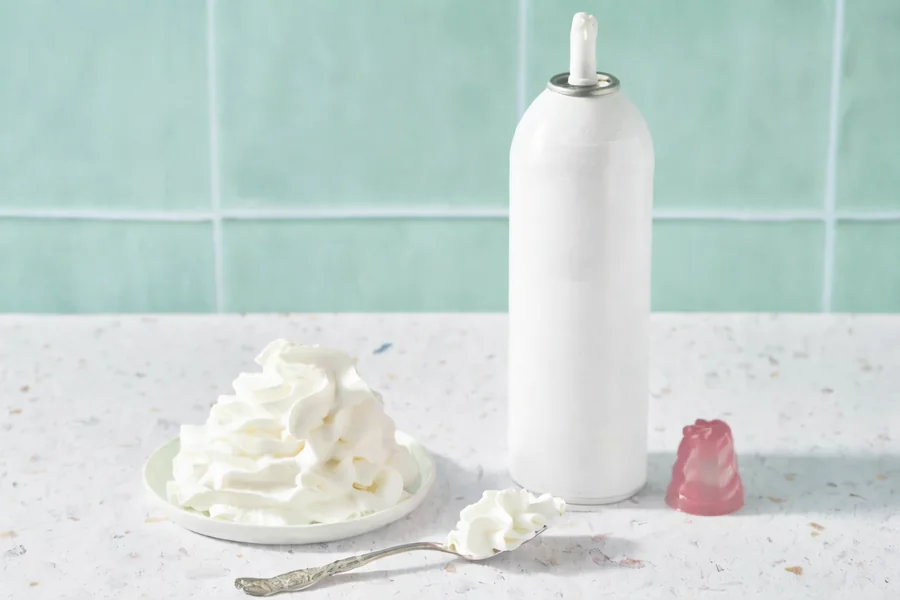
When you think of whipped cream, what comes to mind? A cloud-like topping on hot chocolate? A finishing touch on a slice of freshly baked pie? For many, this delightful dairy treat comes not from a bowl and whisk, but straight from a sleek pressurized can. This form — known as aerosol whipped cream — has become an invisible yet beloved staple in kitchens, coffee bars, and dessert counters around the world.
In this article, we dive into what aerosol whipped cream is, how it works, its culinary applications, trends in the market, and how it’s evolving to meet modern tastes and dietary demands. Let’s get into the science and flavor behind this unique food product.
What Is Aerosol Whipped Cream?
At its core, aerosol whipped cream is a ready-to-use whipped topping dispensed from a pressurized can. Unlike whipping cream that’s beaten by hand or with a mixer, this cream is “whipped” during the spraying process itself. Inside the can, the cream base, often ultra-pasteurized and emulsified, is combined with a propellant — typically nitrous oxide — which expands the cream into a light, airy foam as it exits the nozzle.
While traditional whipped cream is created manually, aerosol whipped cream is engineered to provide instant texture, visual appeal, and convenience. This has made it especially popular in fast-paced environments like cafés, food trucks, and busy home kitchens.
How It Works: From Can to Cream
Aerosol whipped cream isn’t actually “pre-whipped.” Instead, the pressurized gas causes the cream particles to foam as they leave the can. This process produces the familiar soft peaks and fluffy texture associated with whipped toppings.
Here’s a simple breakdown:
1.Cream Base: Dairy cream or a blend of dairy and stabilizers forms the foundation.
2.Emulsifiers & Stabilizers: These ingredients help stabilize the foam and maintain texture once dispensed.
3.Propellant Gas: Nitrous oxide is injected into the can, which dissolves into the cream and expands when released, aerating the product.
Consumers simply shake the can and press the nozzle to release a beautiful swirl of whipped cream. The entire experience — from storage to serving — is incredibly convenient, which is a key reason for its widespread popularity.
Culinary Uses: Beyond Just Desserts
Most people are familiar with aerosol whipped cream as a dessert accompaniment, but its culinary versatility goes far beyond that. Here are some popular and creative uses:
Classic Desserts: Pies, ice cream, cakes, and parfaits instantly benefit from a dollop of cream.
Beverages: Top coffees, hot chocolates, milkshakes, and even cold brew with a creamy flourish.
Breakfast & Brunch: Add an indulgent touch to waffles, pancakes, crepes, and fruit bowls.
Mixology: Some brands have introduced flavored or even alcohol-infused aerosol creams as cocktail garnishes or mix-ins, adding a playful twist to drinks.
In addition, innovations like fruit-swirled aerosol creams are expanding the flavor profile, bringing combinations like strawberry swirl, peach-mango, and salted caramel into the fold.
The Market Behind the Foam
The aerosol whipped cream market is experiencing robust growth globally. This expansion is driven by consumer demand for convenience, innovative flavors, and expanding dietary options — including plant-based and vegan formulations.
Key trends shaping the market include:
Flavor Innovation: Beyond traditional vanilla and plain cream, brands are exploring seasonal and exotic flavors to capture consumer attention.
Plant-Based Alternatives: Dairy-free whipped creams made from coconut, almond, or oat bases are gaining traction among conscious consumers.
Functional Products: Some variants are marketed as gluten-free or low sugar, appealing to those with specific dietary preferences.
From workplaces and cafés to home pantries, aerosol whipped cream continues to prove its relevance and adaptability in modern food culture. Behind each can is a precisely manufactured container produced by aerosol can makers such as Shining Packaging, ensuring safe storage of both cream and propellant.
Pros and Cons: What Every Food Lover Should Know
Pros:
Instant Convenience: No need for whipping tools or prep — just shake and spray.
Consistent Texture: Automatic aeration delivers a uniform foam every time.
Longer Shelf Life: UHT processing and propellant systems prolong freshness before opening.
Cons:
Melt & Deflation: Unlike freshly whipped cream, aerosol versions can lose volume over time after application, especially in warmer conditions.
Added Ingredients: Many aerosol creams include stabilizers and sweeteners that may not appeal to purists.
Flavor Limitations: While innovative flavors exist, they may not match the complexity of artisan whipped creams.
Final Thoughts: A Culinary Staple That’s More Than Meets the Eye
Whether you’re a busy home cook, a dessert aficionado, or a professional barista, aerosol whipped cream holds a special place in the modern kitchen. Its ease of use and versatility make it a beloved tool for adding texture, flavor, and aesthetic flair to countless dishes.
From classic dessert adornment to bold new culinary applications, aerosol whipped cream is not just a food product — it’s a flavorful expression of convenience meeting creativity.
So next time you reach for that pressurized can, remember: there’s more to that fluffy swirl than meets the eye — it’s food science and culinary joy in one quick spray.
