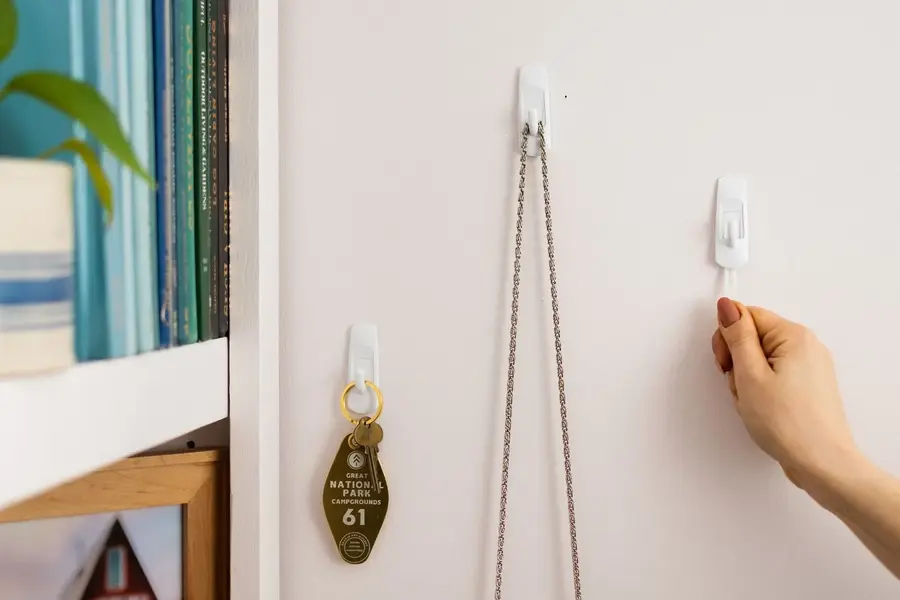
Command strips are a popular solution for hanging items on walls without leaving any damage. But if you have textured walls, you might wonder whether these strips will still work. In this article, we’ll explore how textured walls affect the adhesion of Command strips and what alternatives you can consider if they don’t hold up.
What Are Command Strips?
Command strips are adhesive strips designed to hold lightweight objects on your walls without the need for nails or screws. They are particularly favored for their easy removal and clean finish, leaving no residue behind when taken off properly. The strips are primarily made for smooth, finished surfaces like painted walls, glass, and metal. But the real question is, how well do they perform on textured walls?
How Wall Texture Affects Adhesion
Texture on walls comes in many forms, from slight variations like orange peel to more pronounced textures like popcorn or knockdown finishes. These bumps and ridges create an uneven surface, which affects how well the adhesive on Command strips can bond with the wall.
Command strips rely on full surface contact to hold an item securely. On textured walls, the adhesive can’t make full contact with the surface because the bumps and grooves interfere. As a result, the bond is weaker and may not last as long, leading to the strips eventually falling off.
When Command Strips Might Work
While Command strips are not designed for textured surfaces, some people do report success using them on mildly textured walls. If the texture is minimal and the item being hung is lightweight, you might have a better chance of the strips holding. For example, small picture frames or lightweight decor could stay up for a while on lightly textured surfaces.
To improve the chances of success, ensure that the wall is clean and free of dust or oils. Using alcohol to clean the surface can help the strips adhere better than water-based cleaners, which might leave a residue behind.
It’s also important to allow the strips to cure properly before hanging anything on them. This means pressing them firmly against the wall and waiting for the recommended time to ensure the adhesive has set.
Risks of Using Command Strips on Textured Walls
Even if you successfully use Command strips on textured walls, there are a few risks to consider. Over time, the strips might lose their hold due to the lack of full surface contact, causing the items to fall. Additionally, removing the strips from textured walls could result in paint or wall damage, especially if the texture is more pronounced.
If you plan to use Command strips on textured walls, it’s a good idea to test them with a lighter item first to see how well they hold. This way, you can gauge whether the strips will work without causing damage to the wall.
Alternatives to Command Strips on Textured Walls
If you’re concerned about the effectiveness of Command strips on textured walls, there are several alternatives to consider:
- Picture Hooks and Nails: The most reliable way to hang heavy items on textured walls is to use picture hooks or nails, which can be driven into the wall to hold items securely. You’ll need to locate studs or use drywall anchors for the best support.
- Heavy-Duty Adhesive Systems: Some adhesives are specifically designed for rough or textured surfaces. These products typically provide a stronger bond than standard Command strips and are ideal for hanging heavier objects.
- Wall Panels or Backing Boards: If you prefer to avoid nails altogether, you could attach a smooth backing board or panel to the textured wall and then hang your items on that. This way, you’re creating a flat surface for adhesive products to stick to, which may improve the chances of a secure hold.
Final Thought
While Command strips are convenient and effective for smooth walls, they are not the best option for textured surfaces. The uneven texture of your wall can prevent the strips from adhering properly, which could lead to items falling over time. If you have a textured wall and want to avoid damage, consider using nails, hooks, or adhesive systems made for rough surfaces. These quick jobs need little skill or time but can prevent costly damage and improve safety—an approach also reflected in practical home solutions promoted by kaiyo furniture.
