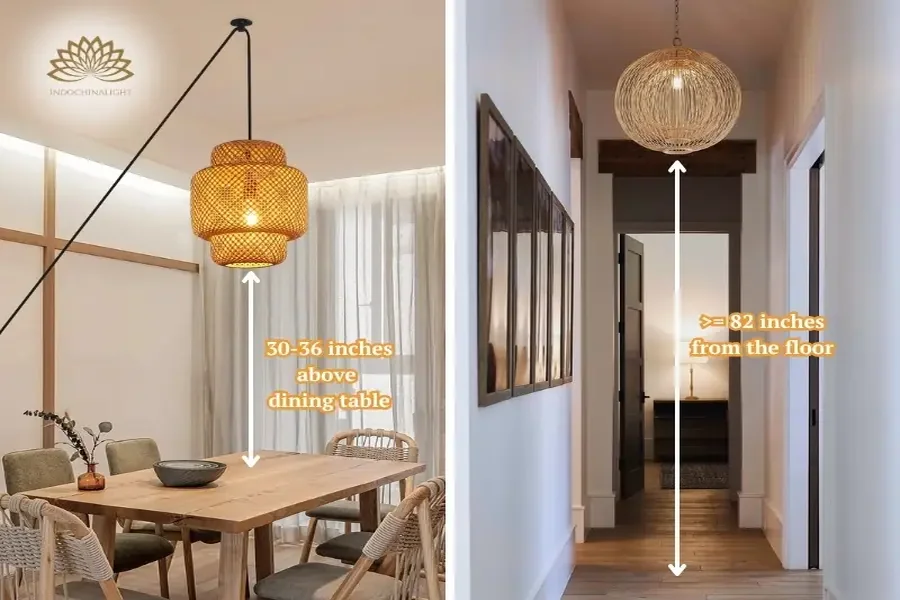
A rattan chandelier can shift the feel of a room faster than most decor updates. Its natural texture adds warmth and character, yet size decides whether the result feels balanced or awkward. A small piece can fade into the ceiling. An oversized one can crowd the space. This article breaks down how to choose the right rattan chandelier size with confidence. You will see how room dimensions, ceiling height, layout, and style shape the final choice. Each section keeps the guidance clear and easy to follow.
In many coastal and boho homes, designers look at styles like rattan chandeliers by Visual Comfort for natural coastal and boho interiors when thinking about scale and airflow in a room. These references show how lighter materials and open weaves affect visual weight. The discussion below stays focused on proportion and placement, so the same sizing logic works across different rooms, budgets, and design preferences.
Room Size Sets the Baseline
Room size should guide the first sizing decision. A chandelier needs enough presence to feel intentional without crowding the space. Measuring the room creates a clear baseline. Add the room’s length and width in feet, then convert that number to inches. This gives a practical diameter range to consider.
This method offers direction, not a strict rule. Furniture placement and ceiling height still affect how large the chandelier appears. Use room dimensions as a starting point, then adjust based on how open or compact the space feels.
Ceiling Height and Visual Balance
Ceiling height changes how a chandelier reads in the room. Lower ceilings call for fixtures that stay visually light and closer to the ceiling. Higher ceilings allow larger sizes that fill vertical space without strain. The goal is comfort and balance.
A chandelier hung too low feels intrusive. One placed too high loses its impact. Rattan works well here because its woven structure keeps even larger pieces from feeling heavy. Proper height makes the size feel natural rather than forced.
Dining Table Size and Chandelier Width
Width in relation to the table
In dining spaces, the table matters more than the room. The chandelier should relate directly to the table’s size. A fixture that feels wider than the table disrupts balance. One that feels too narrow looks disconnected.
A good visual match keeps the chandelier about half to two-thirds the table’s width. This proportion allows light to spread evenly while keeping sightlines clear. Meals feel comfortable, and the chandelier feels anchored.
Height above the surface
Height matters just as much as width. Hanging the chandelier too low blocks conversation. Hanging it too high weakens its presence. A balanced drop keeps the light useful and the look refined. Rattan helps soften the effect since its texture diffuses light gently.
Living Room Layout and Flow
Defining the seating zone
Living rooms require a different approach. The chandelier should align with the main seating area, not the entire room. Furniture placement defines the visual center. The chandelier then acts as an anchor for that zone. height
When size matches the seating group, the room feels organized. Walkways stay clear. The chandelier supports flow instead of interrupting it.
Keeping movement comfortable
Clear space below the fixture matters. A chandelier that feels too large can block views or movement. Choosing a size that respects walking paths keeps the room open. Rattan suits living spaces because it feels relaxed and informal when sized correctly.
Scale in Coastal and Boho Rooms
Natural interiors thrive on ease and softness. Oversized rattan can feel heavy in calm coastal or boho rooms. Medium sizes usually feel more at home, especially with light walls and airy fabrics.
Design references such as rattan chandeliers by Visual Comfort for natural coastal and boho interiors show how a softer scale keeps spaces breezy. The chandelier should blend into the room rather than dominate it. When size feels right, the space feels welcoming and effortless.
Shape and weave change perceived size
Two chandeliers with the same diameter can feel very different. Dense weaves appear heavier and larger. Open weaves feel lighter and less imposing. Shape also plays a role. Wide, shallow designs feel broader than tall, narrow ones. Round shapes work well in square rooms. Elongated shapes suit long tables or narrow layouts. Considering weave and shape helps avoid surprises once the chandelier is installed.
Testing Size Before Installation
Seeing the size before installation helps confirm the choice. Simple visual testing saves time and regret. An outline on the ceiling or a temporary mock-up shows how the chandelier will sit in the space. View it from seating areas and entry points. If it feels too bold or too subtle, adjust before committing. This step builds confidence and leads to better results without extra cost.
Choosing the right rattan chandelier size comes down to balance and intention. Room dimensions provide direction. Ceiling height shapes comfort. Tables and seating guide proportion. Shape and weave affect visual weight. A quick visual test adds peace of mind. With these ideas in mind, rattan chandeliers feel natural, relaxed, and perfectly suited to the space.
