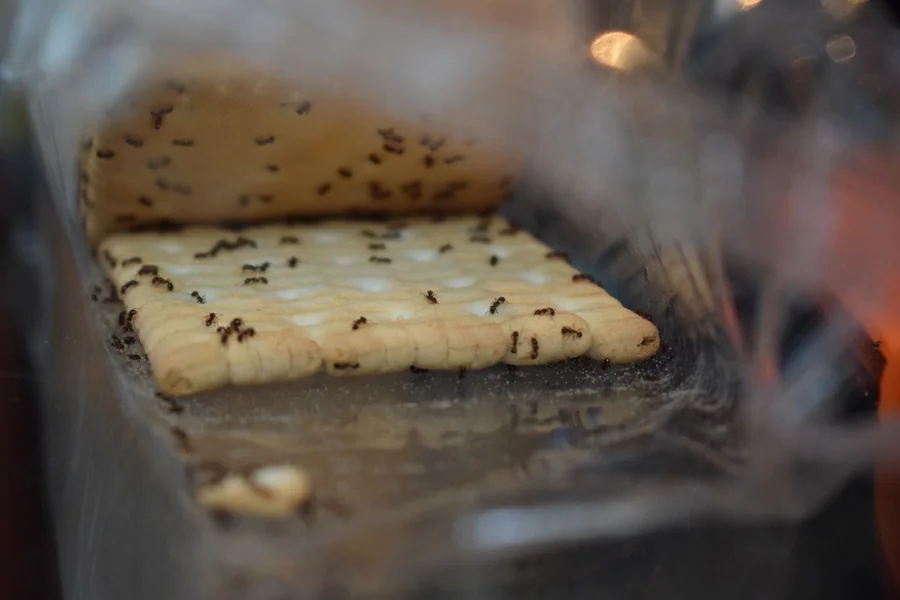
Proper food storage is crucial in maintaining a pest-free home. Many homeowners unknowingly make mistakes that invite unwanted guests like rodents, ants, and cockroaches. These pests are not only a nuisance but can also pose health risks by contaminating food and spreading diseases. Understanding common food storage errors can help you prevent infestations and maintain a clean, safe environment. From improper sealing of containers to neglecting pantry organization, each mistake can create an opportunity for pests to thrive. By addressing these issues, you can protect your home and ensure your food remains safe and uncontaminated.
Common Food Storage Mistakes
One of the most frequent mistakes is leaving food in its original packaging. Many foods come in packaging that is not airtight, allowing pests easy access. For instance, cereal boxes and bread bags are often not sealed tightly enough to keep out small insects or rodents. Transferring these items into airtight containers can significantly reduce the risk of infestation. Another common error is storing food on the floor. This practice makes it easier for pests to reach and contaminate your food supplies. Elevating food storage and using shelves can help keep pests at bay. Additionally, neglecting to clean up spills and crumbs promptly can attract pests. Even small amounts of food residue can be enough to draw in ants or cockroaches. Regular cleaning and maintenance of your pantry and kitchen areas are essential in preventing pest problems.
Improper Sealing and Storage
Improper sealing of food containers is another major issue that can lead to pest infestations. Many people assume that simply closing a bag or box is sufficient, but pests are adept at finding their way into loosely sealed packages. Using containers with tight-fitting lids is crucial in keeping pests out. Glass or heavy-duty plastic containers are ideal for storing dry goods like flour, sugar, and grains. It’s also important to check the seals on these containers regularly to ensure they remain effective. Furthermore, storing food in areas that are not climate-controlled can also attract pests. Warm, humid environments are particularly inviting to insects and rodents. Keeping your pantry cool and dry can help deter these unwanted visitors. In Louisville, where humidity can be high, taking these precautions is especially important. For those seeking Pest Control Louisville services, addressing food storage issues is a vital step in preventing infestations.
Neglecting Pantry Organization
A disorganized pantry can be a haven for pests. When food items are scattered and difficult to access, it becomes challenging to monitor for signs of pest activity. Organizing your pantry not only makes it easier to find what you need but also helps in identifying potential pest problems early. Group similar items together and use clear containers to make it easier to spot any signs of infestation. Regularly rotating your food supplies is also important. This practice ensures that older items are used first, reducing the likelihood of forgotten, expired food that can attract pests. Additionally, labeling containers with expiration dates can help you keep track of your food inventory and prevent waste. By maintaining an organized pantry, you can quickly identify and address any issues before they become significant problems.
The Importance of Regular Cleaning
Regular cleaning is a critical component of effective food storage and pest prevention. Even the most well-sealed containers and organized pantries can fall victim to pests if cleaning is neglected. Spills, crumbs, and food residues are common attractants for pests and should be cleaned up immediately. Wiping down shelves and countertops regularly can help eliminate these attractants. It’s also important to clean behind and under appliances, as these areas can harbor food particles that are out of sight. Vacuuming and mopping floors in the kitchen and pantry areas can further reduce the risk of pest infestations. By incorporating regular cleaning into your routine, you can create an environment that is less inviting to pests and more conducive to safe food storage.
Conclusion
Preventing pests in your home starts with proper food storage practices. By avoiding common mistakes such as using inadequate packaging, neglecting pantry organization, and failing to clean regularly, you can significantly reduce the risk of infestations. Ensuring that food is stored in airtight containers, maintaining a clean and organized pantry, and keeping your kitchen free of crumbs and spills are all essential steps in protecting your home from pests. These practices not only help in maintaining a pest-free environment but also ensure that your food remains safe and uncontaminated. Taking proactive measures in food storage can save you from the hassle and health risks associated with pest infestations.
