
English proficiency plays a vital role in a child’s academic development, particularly during the primary school years. At this formative stage, children build essential language skills that influence not only their performance in school but also their confidence, communication ability, and future learning outcomes. High-quality English tuition provides structured guidance, helping young learners develop strong foundations in reading, writing, listening, and speaking.
As English remains the main language of instruction in many education systems and a global medium of communication, early mastery gives students a significant advantage. This article explores why English proficiency is essential for primary school students, the benefits of quality tuition, and how parents can support their child’s language development both inside and outside the classroom.
The Importance of English Proficiency in Early Education
English serves as a global language across education, technology, business, and media. In the digital age, children are exposed to English through online learning platforms, educational content, and communication tools from an early age. Strong language skills enable students to understand instructions, express ideas clearly, and engage meaningfully with learning materials.
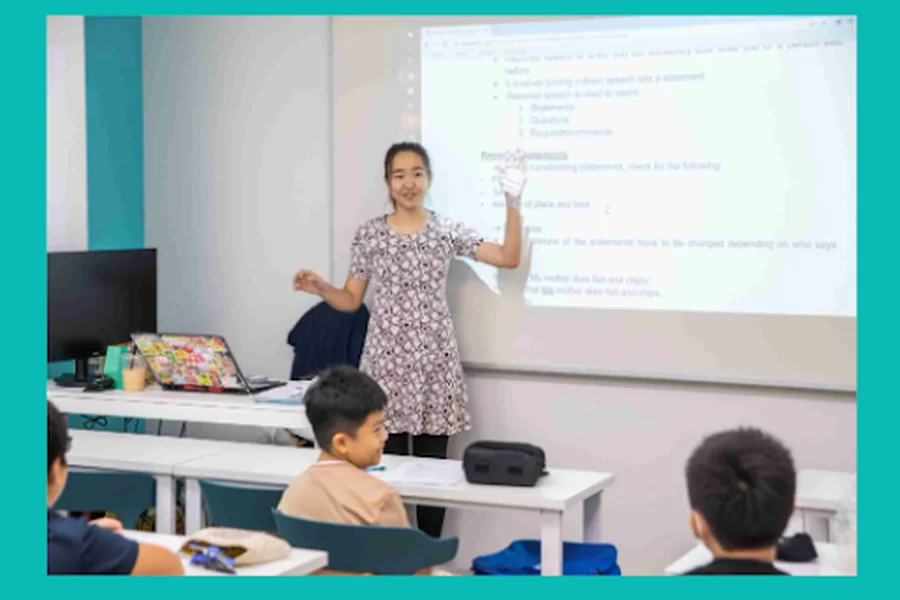
For primary school students, English proficiency directly impacts academic performance. Subjects such as science, mathematics, and social studies rely heavily on comprehension and vocabulary. Students who struggle with English may find it difficult to keep up, even if they understand the core concepts. Early intervention through structured tuition helps prevent learning gaps and supports consistent progress.
Beyond academics, English fluency supports social development. Confident communication allows children to participate in discussions, collaborate with peers, and express their thoughts clearly. These skills contribute to stronger self-esteem and a positive attitude toward learning.
Benefits of High-Quality English Tuition
Quality English tuition offers targeted support that complements school learning. One of the key benefits is improved language fluency. Through guided practice and consistent exposure, students develop better pronunciation, sentence structure, and vocabulary usage.
Reading and writing skills also improve significantly with professional guidance. Tutors help students understand texts, identify key ideas, and develop structured writing techniques. This support strengthens comprehension and prepares students for more advanced academic tasks as they progress through school.
Confidence is another major benefit. When children understand what they read and feel comfortable expressing their ideas, they become more willing to participate in class. This confidence often translates into better performance across subjects and prepares students for future academic and professional opportunities.
What Defines High-Quality English Tuition
Effective English tuition is built on personalized instruction. One-on-one or small-group sessions allow tutors to focus on individual strengths and areas for improvement. Lessons can be adjusted to match the student’s pace and learning style, ensuring better understanding and retention.
Qualified and experienced tutors are essential. Skilled educators understand how children learn and apply teaching strategies that make lessons engaging and effective. They also provide clear explanations and constructive feedback that support steady improvement.
Another important feature is regular assessment. Ongoing evaluations help track progress, identify challenges early, and refine teaching methods. This structured approach ensures that learning remains focused and goal-oriented.
Supporting English Learning at Home
Parental involvement plays a significant role in reinforcing language development. Encouraging regular reading helps expand vocabulary and comprehension skills. Reading together or discussing stories allows children to develop critical thinking and express ideas more clearly.
Using English in daily conversations also strengthens fluency. Simple activities such as discussing daily routines, asking open-ended questions, or encouraging children to explain their thoughts help reinforce language use in practical contexts.
Educational apps and online resources further support learning by making practice interactive and engaging. When combined with professional tuition, these tools help children apply their skills consistently.
Choosing the Right English Tuition Program
Selecting the right English tuition requires careful consideration. Parents should evaluate the tutor’s qualifications, teaching approach, and experience with primary-level learners. A good tutor should be able to adapt lessons based on the child’s needs and learning pace.
It is also helpful to ask about lesson structure, progress tracking, and communication with parents. Understanding how improvement is measured ensures transparency and accountability.
Parents may also choose between online and in-person tuition. Offline sessions offer face-to-face interaction, while online tuition provides flexibility and access to digital resources. The best choice depends on the child’s learning style, schedule, and comfort level.
For parents seeking structured and effective support, https://illum.education/primary-english-tuition/ provides focused English tuition designed specifically for primary school students. The program emphasizes skill-building, confidence development, and consistent progress through guided instruction and personalized learning plans.
Long-Term Impact of Strong English Skills
Early investment in English tuition yields long-term benefits. Strong language skills support academic success, enhance critical thinking, and improve communication abilities. These competencies remain valuable throughout secondary education and into higher learning and professional environments.
Students who develop confidence in English at a young age are better prepared to adapt to new challenges, express ideas effectively, and engage with diverse learning opportunities.
Conclusion
High-quality English tuition plays a crucial role in supporting primary school students during their most important learning years. It strengthens language foundations, boosts confidence, and improves academic performance across subjects. With personalized instruction, experienced tutors, and consistent assessment, children gain the tools needed for long-term success.
Parents who take proactive steps to support English learning both through structured tuition and daily practice help ensure their child develops strong communication skills that extend well beyond the classroom. Investing early in quality English education lays the groundwork for lifelong learning and future achievement.
